Combustion makes NOx
Diesel burns hot, and heat plus the nitrogen in ordinary air produces nitrogen oxides. The harder the engine works, the more NOx comes out.
Keeping diesel vehicles running clean, efficient and compliant — Australian-made, VDA-certified, delivered from our Sydney Metro HQ.
AdBlue® is a 32.5% urea solution — also known as diesel exhaust fluid (DEF) or AUS 32 — that reduces harmful nitrogen oxide (NOx) emissions from modern diesel engines. It's dosed into the exhaust stream of vehicles fitted with Selective Catalytic Reduction (SCR) systems, helping the environment while keeping your fleet compliant with emission standards. Using AdBlue can even improve fuel efficiency, giving you peace of mind and savings on the road.
We provide high-quality, VDA-certified AdBlue, manufactured to ISO 22241 standards, so you know you're getting a product you can trust. Whether you need bulk delivery for a large fleet, handy containers for smaller operations, or complete on-site storage solutions, we've got you covered.
A partner you can trust — that's Atlas Distributions. Our team is passionate about helping businesses of all sizes find the right AdBlue solution, so you can focus on running your business while we handle the rest.
AdBlue isn't a fuel additive and it never touches the diesel. It works downstream, in the exhaust, and understanding that explains almost everything else about it — why it's dosed in proportion to fuel burn, why purity matters so much, and why the vehicle stops you if the tank runs dry.
Diesel burns hot, and heat plus the nitrogen in ordinary air produces nitrogen oxides. The harder the engine works, the more NOx comes out.
A dosing module sprays a fine mist of AdBlue into the hot exhaust ahead of the catalyst, metered by the engine ECU against exhaust temperature and NOx readings.
Exhaust heat breaks the 32.5% urea solution down into ammonia and carbon dioxide — the ammonia is the active ingredient the catalyst needs.
Across the SCR catalyst, ammonia and NOx react to form plain nitrogen and water vapour. A healthy system strips out the large majority of engine-out NOx.
Before SCR, the way to hold NOx down was to recirculate large volumes of exhaust gas back through the engine, which cools combustion and cuts NOx — but at a cost in efficiency, and it makes the engine work harder for the same output. SCR moves that job out of the cylinder and into the exhaust, so the engine can be tuned to burn fuel the way it burns best.
That's the trade at the heart of the technology: you buy a modest amount of AdBlue and get back cleaner exhaust and better fuel economy. It's also why AdBlue consumption tracks fuel burn so predictably — dose and diesel rise and fall together, which is exactly what makes a percentage-based estimate reliable.
An SCR catalyst is a precision emissions component, and it's chemically fussy. Diesel, dust, tap water or the wrong container material can poison it — and the damage doesn't announce itself, it shows up later as a fault code and a repair bill that dwarfs a year of fluid.
ISO 22241 exists to set those purity limits, and VDA certification is the audit that says a producer meets them. That's the standard our AdBlue is made to, batch after batch.
The working rule across modern diesel fleets is about 5% of diesel consumption. Burn 20,000 litres of diesel in a year and you'll get through roughly 1,000 litres of AdBlue — one IBC. Burn 200,000 litres and you're at 10,000 litres of AdBlue, which is bulk delivery territory.
The spread around that 5% is real, though. Older Euro 5 engines often sit closer to 3–4%. Euro 6 and ADR 80/04 engines lean harder on SCR and can run at 6–7% under heavy load, in hot weather, or on stop-start city work where the engine spends its life at high load and low speed. Idling, towing, hills and heavy payloads all push it up.
Distance is a poor guide on its own, because two trucks covering the same kilometres can burn very different amounts of fuel. Work from litres of diesel wherever you can — and if you only have kilometres, the calculator converts them for you.
Calculate my AdBlue requirement →| Diesel per year | AdBlue at 5% | Suits |
|---|---|---|
| 2,000 L | ~100 L | 10L drums |
| 20,000 L | ~1,000 L | 1000L IBC |
| 60,000 L | ~3,000 L | IBCs on schedule |
| 200,000 L | ~10,000 L | Bulk into your tank |
| 750,000 L | ~37,500 L | Bulk, recurring |
Vehicle AdBlue tanks vary just as widely — roughly 10–20 litres on a diesel ute or van, and anywhere from 40 to over 100 litres on a prime mover, which is why a long-haul truck can go a full week between top-ups.
From a single drum on a workshop shelf to a tanker filling your on-site storage — pick the format that matches how you operate.
$34.00 per drum, inc. GST
Passenger cars, utes and top-ups
View 10L drums →$1,067.00 per IBC, inc. GST
Fleets, depots and workshops
View 1000L IBC →Custom quote
3,000L+ into your own tank
View bulk supply →
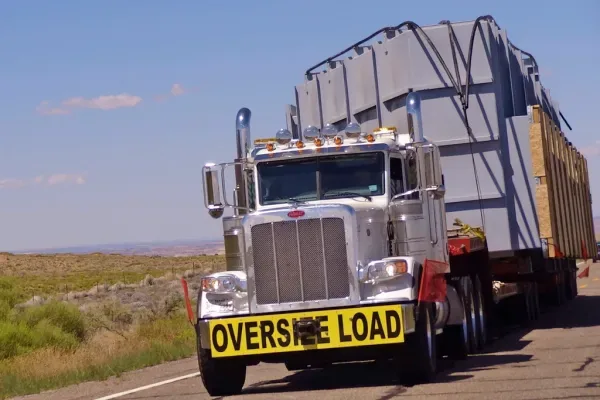
Effective, high-quality AdBlue solutions that guarantee compliance, improved performance and reduced emissions to keep your fleet running.
For a fleet that's cleaner and more effective, we'll size the right pack format and delivery schedule around the kilometres you actually run.
Get fleet pricing →Reliable AdBlue for passenger cars and light commercials to help reduce NOx emissions and meet Euro 6 standards — keeping your diesel vehicle clean and efficient.
Our 10L drums are the easy option here: sealed, contamination-free and simple to store in a garage or the back of a van.
View 10L drums →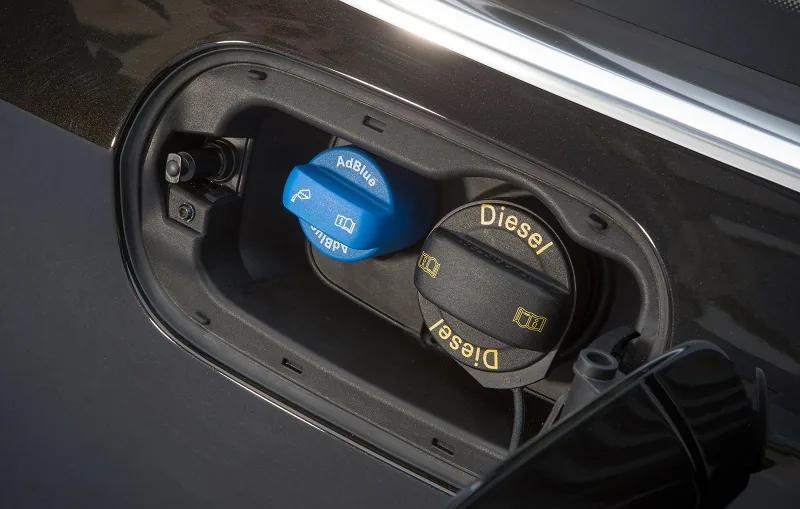

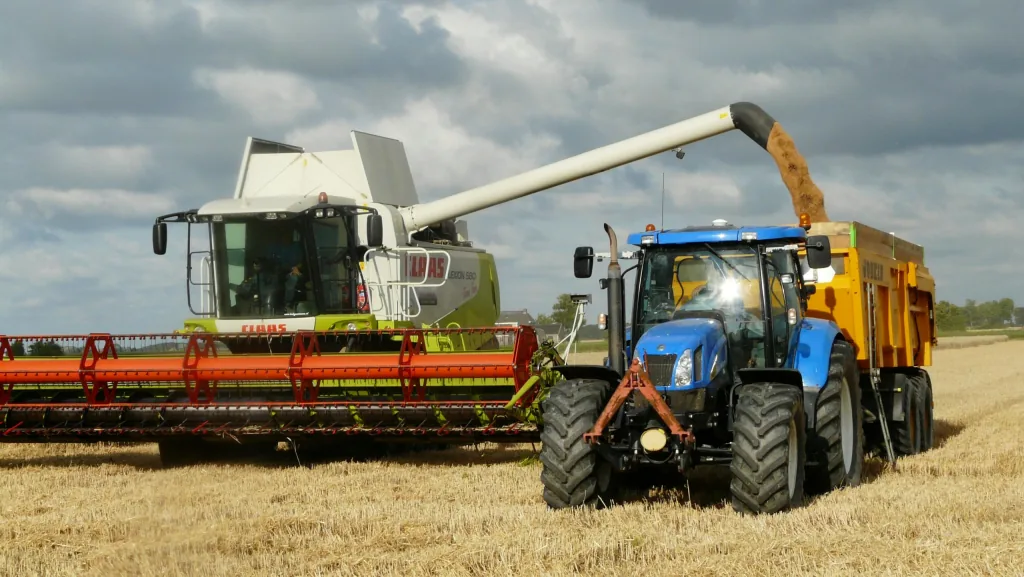
Specially formulated for agricultural and off-road machinery, helping reduce emissions for construction equipment, utility vehicles and non-road mobile machinery.
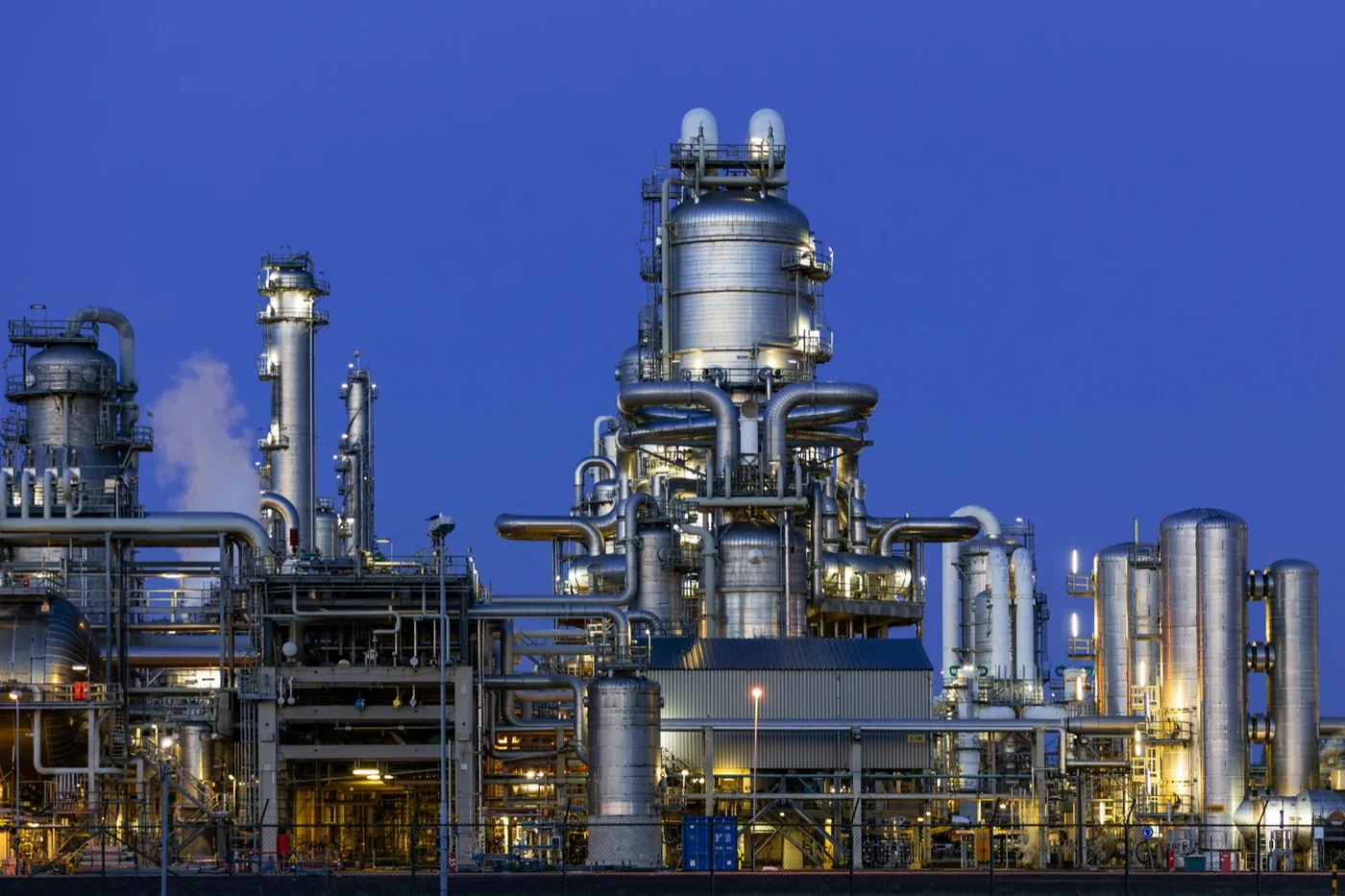
Bulk delivery and on-site storage solutions designed around continuous plant operations, with flexible scheduling to keep supply reliable.
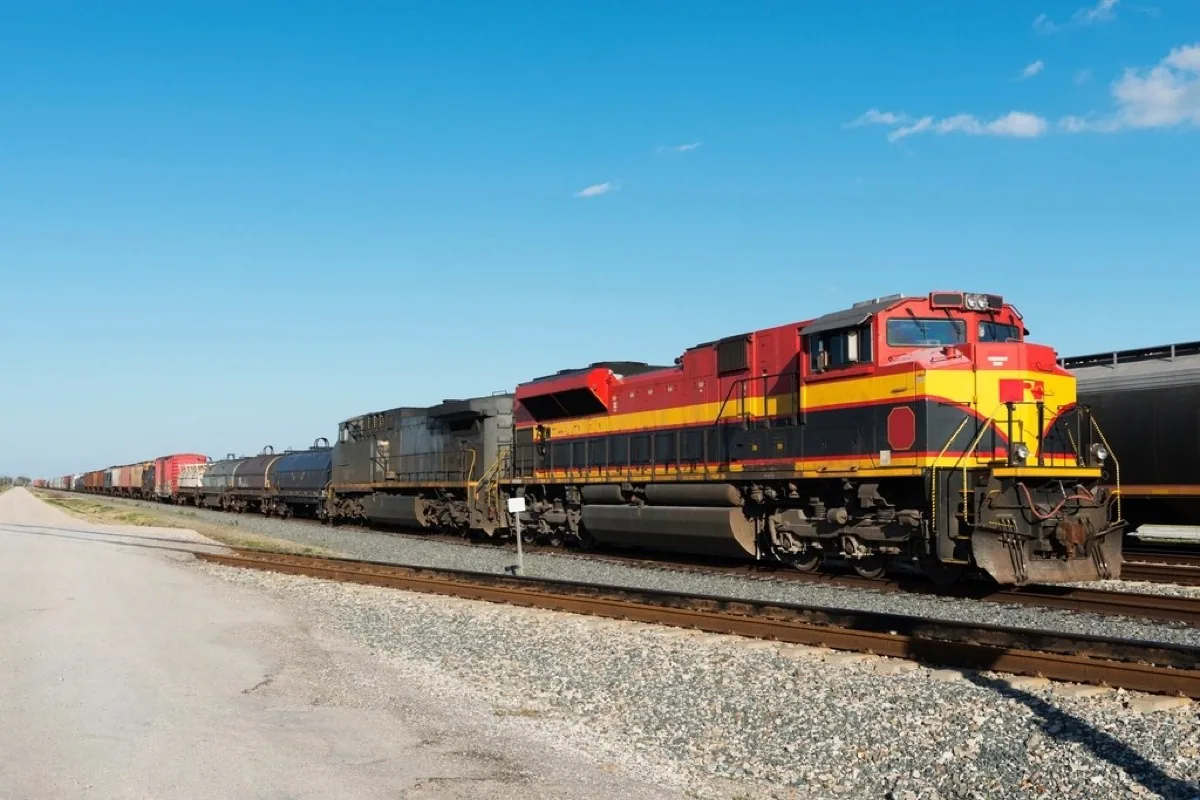
Long-distance and backup diesel trains use AdBlue to help reduce NOx emissions and stay within environmental compliance.
AdBlue is non-flammable, non-toxic and safe to handle — but it is a precision fluid, and it's easy to ruin without realising. Four things account for nearly every out-of-spec tank we hear about.
Stored sealed between 5°C and 25°C, out of direct sunlight, AdBlue holds its spec for around 12 months. Leave it baking in a yard through an Australian summer and the urea starts breaking down far sooner. Shade, or better still a shed, buys you the shelf life you paid for.
Practical upshot: hold two to three months of stock, not a year's worth. We'll set a recurring delivery so the tank stays full without the product ageing on you.
A splash of diesel, a dusty funnel, a hose that's been used for something else, or a top-up from the tap — any of these can take a tank of AdBlue out of spec, and there's no way to tell by looking at it.
Keep dedicated pumps, nozzles and containers for AdBlue only, keep drums sealed until they're used, and never dilute it. The water in AdBlue is demineralised for a reason: the minerals in tap water poison the catalyst.
AdBlue is corrosive to some common metals. Stainless steel (304 or 316), high-density polyethylene and polypropylene are all fine — which is what drums, IBCs and proper dispensing kits are made from.
Copper, brass, aluminium, zinc and plain carbon steel are not. Improvised storage in a spare fuel drum or a decommissioned tank is the fastest way to contaminate good product.
AdBlue freezes at about −11°C. That's rare across most of Australia but real on an inland or alpine winter night — and it does no harm: it thaws back to full strength, and vehicle tanks and lines are heated to handle it.
The white crust you sometimes see around a filler neck is just urea left behind as spilt fluid evaporates. It's harmless — rinse it off with water before it builds up on paint or connections.
Setting up a new site? We supply the storage tanks, pumps and nozzles alongside the product — tell us about your site and we'll spec it.